


The jump from high school to university can feel like stepping onto a completely different planet. In secondary education, assignments usually drop one at a time, giving you plenty of room to breathe, draft, and submit. Higher education operates on a completely different playbook. University life introduces the concept of multi-tiered academic submissions—a high-pressure reality where research papers, lab reports, case studies, and critical essays all converge on the exact same mid-term or finals week. When these deadlines pile up, traditional study habits can break down fast, leaving even the most dedicated undergraduate feeling completely underwater.
Managing this sudden surge in workload requires shifting your mindset from basic study routines to structural project management. It is no longer just about reading the material; it is about learning how to coordinate distinct pipelines of information, structure your arguments systematically, and protect your mental well-being from systemic burnout. By breaking down your semester into manageable, mechanical phases, you can turn a chaotic end-of-term scramble into a predictable, smooth execution.
The Velocity Gap: Balancing Research and Text Production
The initial roadblock that most undergraduate students encounter during finals week is the velocity gap. This is the structural disconnect between the time it takes to gather data and the actual physical time required to write clean, academic prose. Many students allocate their time evenly across the calendar, assuming that a 3,000-word essay requires equal parts research and writing. In reality, deep cognitive synthesis takes up roughly 70% of the timeline, leaving an incredibly tight window for the actual drafting process. When multiple course modules demand comprehensive papers at the exact same moment, the solo drafting pipeline inevitably faces a bottleneck.
To bypass this institutional friction, forward-thinking students are changing how they distribute their efforts during peak assessment periods. Rather than trying to master every single field-specific template entirely alone, leveraging an experienced assignment writing service can serve as an essential academic scaffold. Analyzing professional structural layouts, verified citation patterns, and field-specific models allows you to see how complex arguments are assembled. This mechanical insight helps you bridge the velocity gap, giving you a clear blueprint to accelerate your own drafting process while maintaining the rigorous grading criteria demanded by UK universities.
Chronological Breakdown of the Academic Pipeline
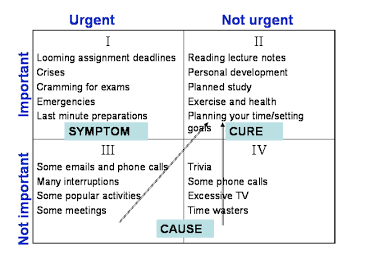
To keep your sanity when dealing with multi-tiered deadlines, you cannot treat every paper as one massive, terrifying chore. You need a modular workflow that separates thinking from writing.
The table below maps out how a typical 14-day pipeline looks when managing multiple complex papers simultaneously, ensuring that you never find yourself staring at a blank screen the night before a major submission.
| Phase of the Pipeline | Core Focus & Objectives | Practical Execution Tactic |
| Phase 1: Deep Synthesis (Days 1–4) | Isolate primary literature, review grading rubrics, and map data points. | Create a centralized digital folder for peer-reviewed PDFs and extract key quotes early. |
| Phase 2: Structural Sculpting (Days 5–8) | Outline core arguments, establish chapter breakdowns, and balance logic. | Build a granular, bulleted outline so you know exactly what goes into every paragraph. |
| Phase 3: Text Production (Days 9–11) | Convert raw outlines into flowing prose without stopping to self-edit. | Write in focused, 45-minute blocks using everyday language to keep your momentum going. |
| Phase 4: Refinement & Polish (Days 12–14) | Upgrade vocabulary tone, eliminate syntax errors, and double-check citations. | Read your work aloud or print it out to catch awkward sentence structures and logic gaps. |
Embracing Professional Collaboration in Text Refinement
Once your research is complete and your core arguments are mapped out, the primary challenge shifts from understanding the concepts to the grueling, physical labor of text production. Writing highly sophisticated, publication-grade academic arguments requires an immense amount of mental energy. When you are balancing continuous assessment cycles across four or five different modules, cognitive fatigue sets in. This fatigue directly impacts your vocabulary choices, sentence structures, and overall narrative flow, which can accidentally lower your final grade even if your underlying research is brilliant.
In the professional corporate sector, text production is rarely a lonely, isolated task. Public figures, corporate executives, and industry leaders regularly collaborate with an expert ghost writer to translate raw ideas and strategic insights into polished, publishing-ready deliverables. This exact same collaborative methodology can be applied to higher education.
Using the professional proofreading, developmental editing, and structural refinement resources at MyAssignmentHelp allows you to hand over your rough drafts and extensive lecture notes to a skilled ghost writer who understands how to elevate your prose. This strategic delegation doesn’t just save you from complete exhaustion; it teaches you how to look at your own writing from an editorial perspective, ensuring your paper reads with the academic clarity and professional tone that top-tier professors expect.
Protecting Mental Health Amid High-Volume Assessment Cycles
Beyond the grades, the ultimate challenge of handling multi-tiered submissions is preventing systemic burnout. The constant pressure to perform across multiple fronts can trigger intense academic anxiety, which actively shuts down creative thinking and problem-solving skills. True academic success isn’t about working yourself to the point of exhaustion; it is about building a sustainable, realistic workflow.
Protecting your mental well-being means setting firm boundaries between your desk and your personal life. Take scheduled breaks away from screens, break down overwhelming tasks into bite-sized daily goals, and accept that perfectionism is often the enemy of completion. Viewing your university assignments as practical projects to be managed—rather than direct reflections of your personal self-worth—gives you the psychological breathing room needed to produce your absolute best work.
Frequently Asked Questions
Q.1. What exactly are multi-tiered academic submissions?
Ans: Multi-tiered submissions are clusters of advanced, varied academic tasks—such as comprehensive research essays, lab evaluations, and analytical case studies—that share overlapping or identical deadlines within a single university term.
Q.2. How can I include professional editing services in my routine without breaking academic integrity rules?
Ans: The best way is to treat these services as an interactive learning scaffold. Use the professional models, structural critiques, and edited texts you receive as study guides to understand complex concepts, analyze ideal essay layouts, and improve your own independent drafting skills.
Q.3. Why do exact-match keywords cause search engines to flag content as low-quality?
Ans: Search engines like Google prioritize helpful, natural, human-written content. When a blog post constantly repeats exact phrases purely to host hidden links, it ruins the reader’s experience, fails the “Information Gain” test, and triggers quality filters that drop the site’s ranking.
Q.4. What is the most effective way to handle multiple assignments due in the same week?
Ans: Break your assignments down into separate, modular steps. Dedicate specific blocks of time exclusively to primary research, separate blocks to building outlines, and distinct sessions to writing. This stops you from feeling overwhelmed and keeps you from getting stuck on multiple papers at the same time.
About The Author
Hi there, I’m Ruby Walker, and I work as a senior academic consultant and higher education strategist here at MyAssignmentHelp. With a deep background in educational psychology and over seven years of experience analyzing university learning systems, my mission is to help modern undergraduates transform chaotic study habits into predictable, low-stress workflows.